Structural and Cosmetic Collision Repairs
Auto Body Repair & Collision Restoration in Colchester for vehicles with accident damage, dents, or paint deterioration
Collision damage affects both visible body panels and underlying structural components that maintain vehicle alignment and crash protection integrity. Your vehicle may show crumpled fenders, misaligned doors that no longer close flush, or paint transfer from another vehicle across impact zones. Walt's Country Motors handles collision damage repair, dent removal, body panel replacement, paint matching, frame repairs, and complete accident restoration for vehicles in Colchester that have sustained damage ranging from parking lot impacts to multi-panel collisions requiring structural straightening.
Body repair involves assessing damage depth to determine whether panels can be straightened and refinished or require full replacement, pulling frame sections back into factory alignment using hydraulic straightening equipment, welding or bonding replacement panels, and applying primer, base coat, and clear coat layers that match original paint codes. The shop provides free estimates on body work and coordinates directly with insurance adjusters to document all necessary repairs.
Request a damage assessment to determine repair scope and receive a written estimate for insurance purposes.
How Collision Damage Gets Repaired Correctly
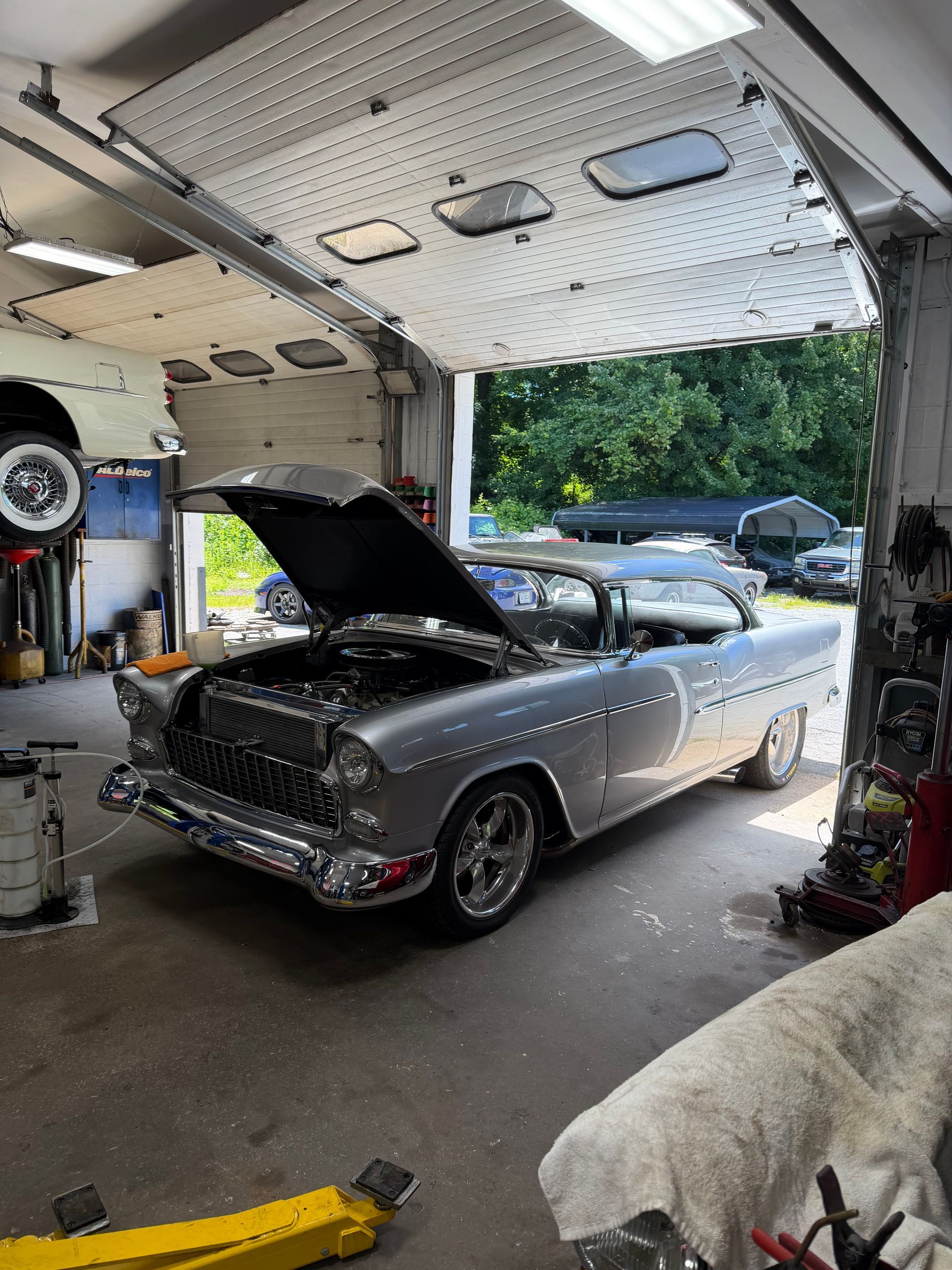
Proper collision repair starts with measuring the frame or unibody structure against manufacturer specifications to identify where impact forces bent structural rails or pushed suspension mounting points out of alignment. Walt's Country Motors uses these measurements to determine which sections need pulling or heat-straightening before any cosmetic work begins—repairing body panels without correcting underlying frame damage leaves the vehicle with handling problems and reduced crash protection. Dent removal on panels without creases can be done through paintless techniques, while deep dents or areas with stretched metal require panel replacement and paint blending into adjacent sections.
After collision restoration, doors close with factory-specified gaps, body lines align symmetrically from front to rear, and paint finish matches the original color and gloss level across repaired and adjacent panels. You'll notice the vehicle tracks straight without pulling to one side, tires wear evenly because suspension geometry has been restored, and all safety systems function correctly if airbag components or sensors were replaced during structural repairs.
Paint matching requires identifying the factory paint code and adjusting the mix to account for UV fading on older vehicles, then test-spraying panels to verify color accuracy before final application. Clear coat layers protect the base color from oxidation and provide the gloss depth that blends repaired sections invisibly into original paint.
What Vehicle Owners Need to Know
Collision repair questions often involve insurance processes, repair timelines, and quality concerns about paint and panel fit.
What is included in a collision repair estimate?
Estimates detail parts required for replacement, labor hours for removal and installation, paint and materials costs, frame time if structural work is needed, and any additional procedures discovered during disassembly, with line items broken out for insurance adjuster review.
How does frame straightening restore vehicle safety?
Unibody structures rely on specific crumple zones and reinforcement locations to absorb impact energy during collisions—if these sections remain bent, the vehicle cannot protect occupants as designed in a subsequent accident, making structural correction essential for safety rather than just cosmetic.
What causes paint to fade or peel after body work?
Improper surface preparation, inadequate primer adhesion, or insufficient clear coat thickness leads to premature paint failure, while correctly applied automotive paint systems in Colchester last years without fading when panels are cleaned, etched, and coated in controlled environments.
When should body panels be replaced instead of repaired?
Panels with torn metal, severe creasing that stretches the material beyond its elastic limit, or damage near structural attachment points typically require replacement because straightening compromises metal integrity and creates weak points that can fail under stress.
Why do some repairs take longer than estimated?
Hidden damage behind bumper covers, frame rails, or inner fender structures often doesn't become visible until disassembly begins, requiring supplemental estimates and additional repair time once the full scope of structural or mechanical damage is documented.
Walt's Country Motors provides free estimates on all body work and explains which repairs are necessary for safety versus cosmetic appearance. Bring your damaged vehicle in for an assessment that documents all visible and potential hidden damage for insurance claim purposes.