
Claim Documentation and Repair Coordination
Insurance Collision Claims Assistance in Colchester for vehicles requiring insurance estimates and accident damage coordination
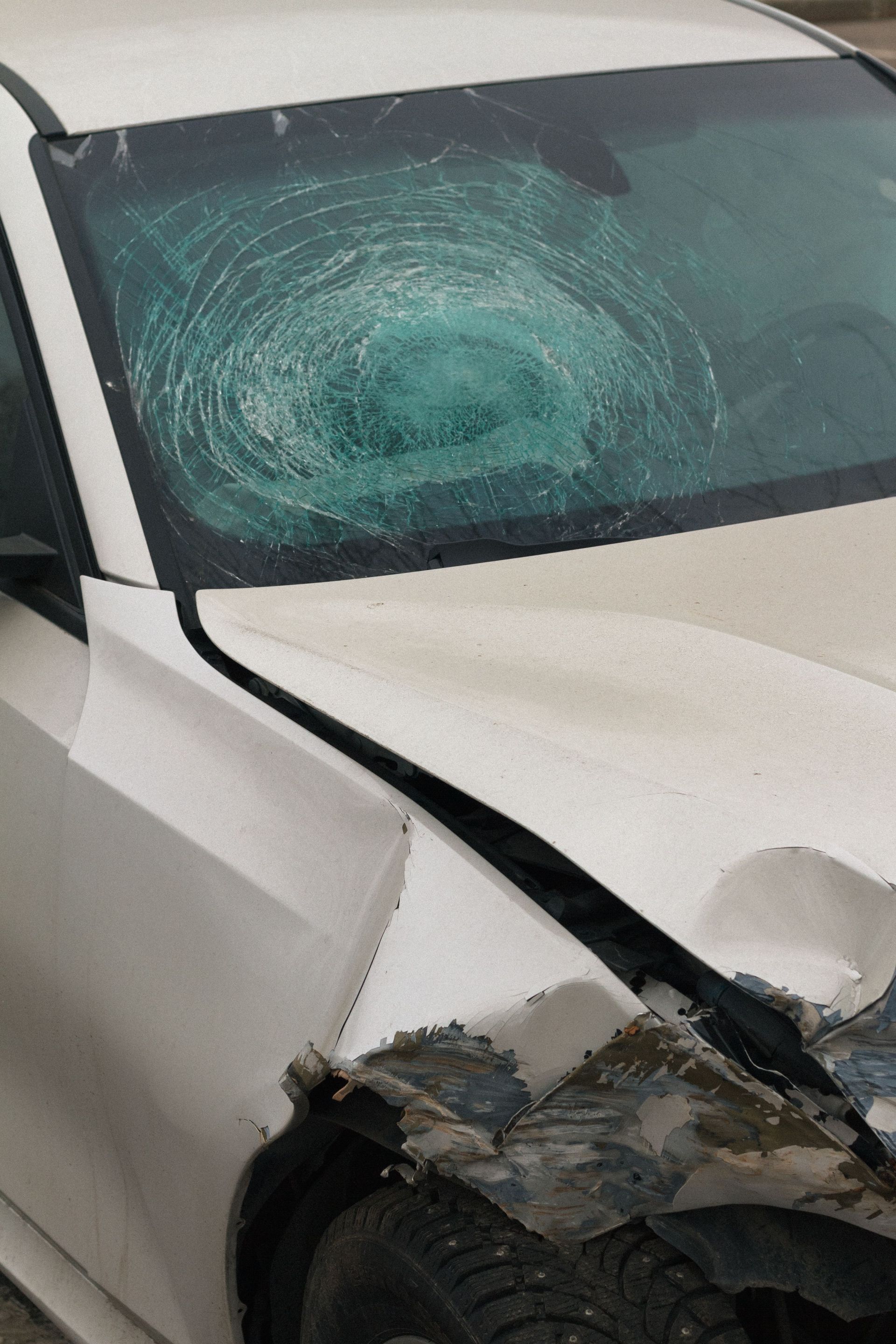
Insurance claims for collision damage require detailed documentation that identifies all affected components, estimates repair costs using standardized labor rates and parts pricing, and communicates directly with adjusters who authorize repair procedures. Walt's Country Motors provides insurance claim estimates, direct communication with insurance companies, damage documentation, repair coordination, supplemental claims for hidden damage, and vehicle restoration after accidents for drivers in Colchester dealing with at-fault or comprehensive claims. The process removes the burden of negotiating repair scope and ensures all necessary work receives approval before restoration begins.
Claims assistance involves inspecting the damaged vehicle, photographing all impact areas and affected components, writing a detailed estimate that matches insurance industry formatting standards, and submitting documentation to your insurance company or the at-fault party's insurer. The shop handles adjuster communications and writes supplemental estimates when disassembly reveals frame damage, mechanical issues, or parts availability problems not visible during initial inspection.
Schedule a claim estimate to document accident damage and begin the insurance approval process for your repairs.
Why Direct Insurance Communication Matters
Insurance adjusters work from estimating software that references standard labor times and parts pricing, but they may not account for regional labor rates, parts availability delays, or necessary procedures specific to your vehicle's construction until a repair facility provides detailed justification. Walt's Country Motors submits estimates using the same software platforms insurers use, includes photographic evidence of all damage, and explains why certain procedures—like frame straightening, panel bonding instead of welding, or OEM parts rather than aftermarket alternatives—are necessary for proper restoration. This documentation prevents disputes over repair necessity and ensures claim settlement covers actual costs.
After the claim is approved and repairs are completed, your vehicle returns with all accident damage addressed, insurance paperwork finalized, and any supplemental claims resolved so no unexpected costs remain. You'll receive documentation of all work performed, parts installed, and any warranty information applicable to the repairs, providing a complete record for future reference or resale purposes.
Supplemental claims become necessary when hidden damage appears during disassembly—bent frame rails behind intact bumper covers, damaged suspension components not visible until wheels are removed, or electrical issues caused by impact forces that weren't apparent during initial inspection. The shop photographs these conditions, writes a supplemental estimate, and coordinates adjuster re-inspection before proceeding with additional repairs.
Common Insurance Process Questions
Understanding how claims move from initial estimate through final payment helps drivers navigate the repair process with less confusion.
What information does an insurance estimate include?
Estimates list every damaged part with its replacement cost, labor hours required for removal and installation calculated using industry-standard times, paint and materials charges based on panel size and repair complexity, and any sublet costs for specialized procedures like glass replacement or wheel alignment.
How does the shop communicate with insurance adjusters?
The facility submits electronic estimates through shared platforms that adjusters access remotely, provides photo documentation of all damage, and discusses repair methodology when questions arise about procedures or parts selection, ensuring the adjuster understands why specific approaches are necessary.
What happens when hidden damage is discovered?
Disassembly often reveals bent subframe components, damaged mechanical parts, or structural issues not visible during external inspection—the shop documents these findings with photographs, writes a supplemental estimate, and pauses work until the insurance company authorizes additional repairs and adjusts the claim settlement.
When should you file a collision claim versus paying out of pocket?
Claims make sense for damage exceeding your deductible by enough to justify a potential premium increase, while minor dents or scratches costing less than one thousand dollars often cost less to repair directly than the long-term premium impact of a claim on your driving record in Colchester.
Why do some insurance companies prefer certain repair facilities?
Direct repair programs establish agreements between insurers and body shops regarding labor rates, parts sourcing, and repair timelines, but you retain the legal right to choose any licensed repair facility regardless of insurer preference, and the insurer must still pay for proper repairs at prevailing rates.
Walt's Country Motors handles all adjuster communication and provides detailed claim documentation so you can focus on vehicle use rather than paperwork disputes. Bring your accident-damaged vehicle in for a comprehensive estimate that covers both visible damage and likely hidden issues requiring supplemental authorization.