
Fluid Service That Follows Manufacturer Standards
Oil Changes & Preventative Maintenance in Colchester for vehicles reaching service intervals or showing low fluid warnings
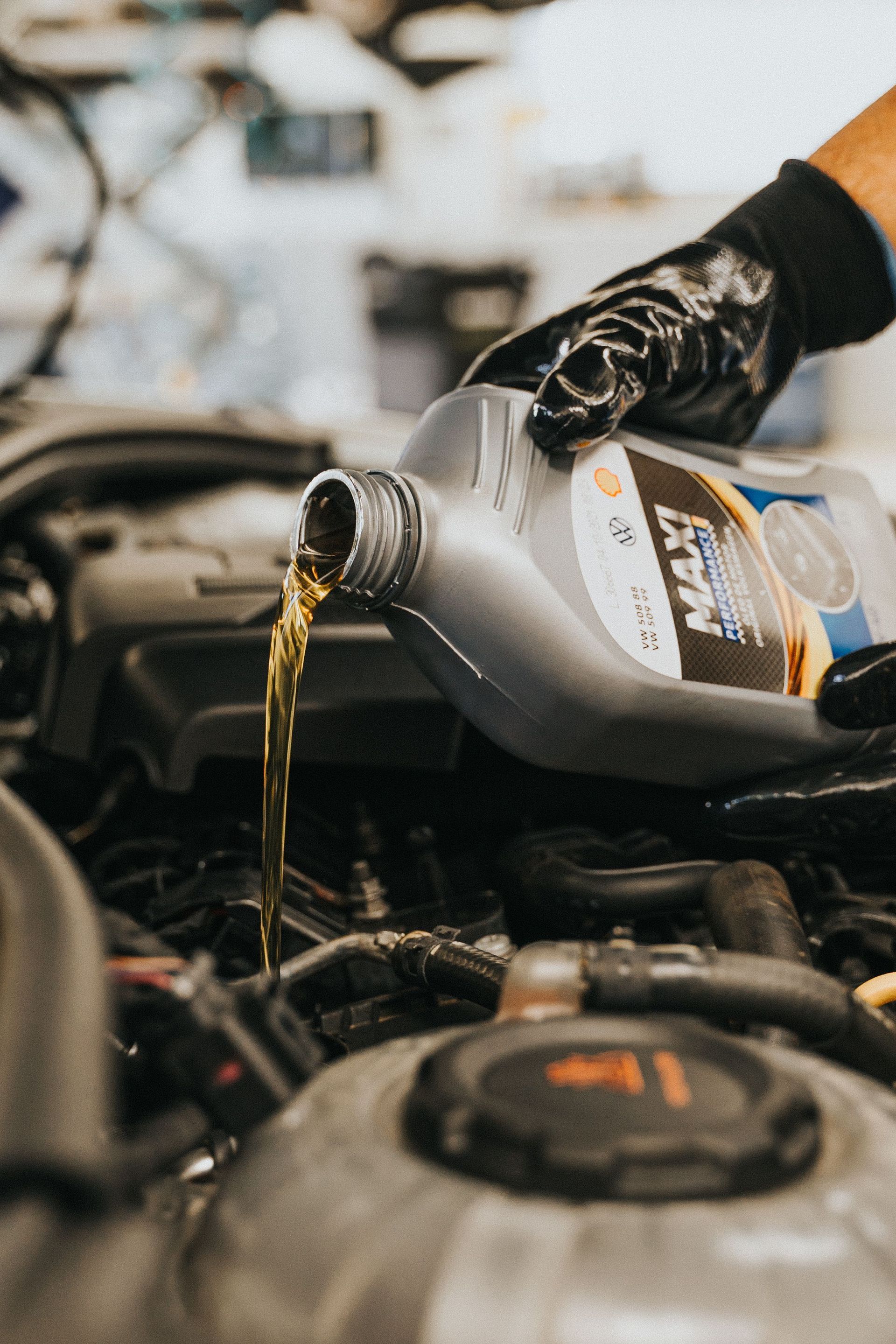
Oil degradation accelerates when combustion byproducts contaminate the lubricant base, reducing its ability to separate moving metal surfaces and causing increased engine wear between cylinder walls and piston rings. Walt's Country Motors provides conventional and synthetic oil changes, fluid level checks, filter replacements, and multi-point inspections that follow manufacturer maintenance schedules for vehicles operating in Colchester. The service prevents sludge buildup in oil passages and identifies developing issues before they require major component replacement.
Preventative maintenance involves draining used oil, replacing the oil filter to remove circulating contaminants, refilling with the viscosity grade specified in your owner's manual, and checking transmission fluid, coolant, brake fluid, and power steering fluid levels to catch leaks or contamination early. Walt's Country Motors tracks service history and references manufacturer intervals that account for severe service conditions like short trips, extreme temperatures, and stop-and-go driving patterns common in daily commuting.
Arrange your next oil change based on mileage intervals or the oil life monitoring system in your vehicle's instrument cluster.
Why Oil Change Intervals Differ Between Vehicles
Synthetic oil maintains viscosity across wider temperature ranges and resists thermal breakdown longer than conventional oil, extending change intervals to seven thousand five hundred or ten thousand miles in vehicles designed for synthetic formulations. Conventional oil requires changes every three thousand to five thousand miles because its molecular structure breaks down faster under heat and shear stress, particularly in engines with tight tolerances or turbochargers that create extreme operating temperatures. Manufacturer recommendations account for oil formulation, engine design, and driving conditions—severe service schedules apply when vehicles make frequent short trips that never fully warm the oil or operate in dusty environments that introduce airborne contaminants through the intake system.
After an oil change, engine noise decreases as fresh lubricant restores proper film thickness between moving parts, cold starts become smoother because clean oil flows more readily through narrow passages, and oil pressure readings stabilize within the normal range. Multi-point inspections during service identify worn belts, leaking hoses, or brake pads approaching minimum thickness, allowing you to address maintenance items before they result in breakdowns or safety concerns.
Filter replacement matters as much as oil quality—a clogged filter forces oil through the bypass valve, sending unfiltered lubricant through the engine and allowing metal particles to circulate through bearings and camshaft journals. Oil filters trap particles down to twenty or thirty microns, preventing abrasive wear that gradually enlarges bearing clearances and reduces oil pressure over time.
Answers to Maintenance Timing Questions
Service intervals depend on how the vehicle is driven and what type of oil the engine requires.
What determines whether a vehicle needs synthetic or conventional oil?
Engine design dictates oil requirements—turbocharged engines and direct-injection motors generate heat levels that break down conventional oil quickly, while older engines with looser tolerances often run fine on conventional formulations that cost less and provide adequate protection for their operating conditions.
How does short-trip driving affect oil life?
Engines that never reach full operating temperature accumulate moisture and fuel dilution in the oil, creating sludge that clogs passages and accelerates wear, which is why severe service schedules in Colchester recommend shorter intervals for vehicles used primarily for commutes under ten miles.
What happens during a multi-point inspection?
Technicians check fluid levels and condition, inspect belts and hoses for cracks or softening, measure brake pad thickness, examine tire tread depth and wear patterns, test battery voltage, and look for leaks or loose components that indicate developing problems.
When should transmission fluid be checked?
Transmission fluid should be inspected at every oil change for proper level and color—dark brown or burnt-smelling fluid indicates overheating or clutch material contamination, while low levels suggest leaks that can cause shifting problems or internal damage if not addressed.
Why do oil life monitors reset differently than mileage intervals?
Oil life monitoring systems calculate remaining service life based on engine run time, temperature cycles, and load conditions rather than miles alone, providing more accurate service timing for engines that operate under varying conditions.
Walt's Country Motors maintains service records and provides reminders based on your vehicle's specific maintenance schedule. Contact the shop to confirm your next service date or to address any fluid leaks or warning lights that appear between scheduled intervals.