
Cooling Systems Fixed Before Overheating Causes Damage
Radiator & Cooling System Repair in Colchester for overheating, coolant leaks, and failed water pumps
Radiators develop leaks at seams and tube connections, water pump seals fail and drip coolant, and thermostats stick closed and trap heat inside the engine block. When your temperature gauge climbs into the red zone, coolant puddles appear under the vehicle, or the heater blows cold air, the cooling system can no longer move heat away from combustion chambers fast enough to prevent damage. Walt's Country Motors handles radiator replacement, water pump installation, thermostat service, cooling fan diagnostics, hose replacement, coolant flushes, and overheating diagnostics for vehicles in Colchester.
This service addresses circulation failures, leaks that drop coolant levels below the water pump inlet, and blockages that restrict flow through narrow passages. Overheating diagnostics use infrared thermometers to identify cold spots that indicate restricted flow, and pressure testing locates leaks in hoses, gaskets, and core plugs before they cause sudden coolant loss.
Schedule a cooling system pressure test to identify leaks and verify that all components maintain proper operating temperature.
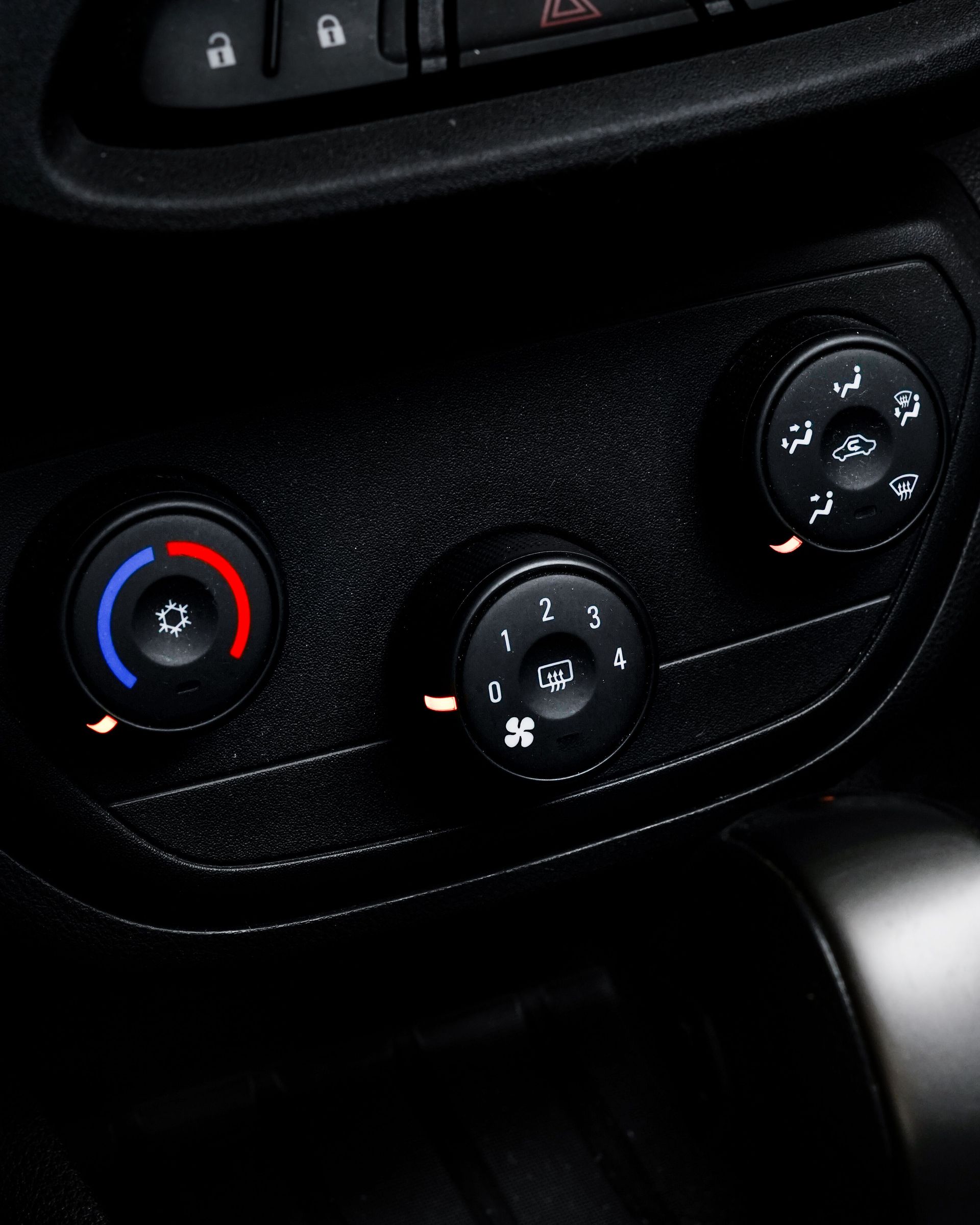
What Changes After Cooling System Repairs
Pressure testing involves sealing the radiator cap opening with a hand pump and pressurizing the system to its rated cap pressure, typically 13 to 16 psi. The gauge shows whether pressure holds steady or drops, and visible inspection locates where coolant seeps from failed components. Infrared readings across the radiator surface reveal clogged tubes where temperature drops suddenly instead of graduating smoothly from hot inlet to cooler outlet.
After repairs, your temperature gauge stays in the normal range during idle and highway driving, the heater delivers consistent hot air, and coolant levels remain stable between service intervals. Electric cooling fans cycle on at the correct temperature threshold and move sufficient air through the radiator core. Fresh coolant restores corrosion inhibitors that prevent internal rust and scale buildup in narrow water jackets.
Coolant flushes remove sediment, rust particles, and degraded additive residue that accumulate in the block and radiator over years. Flushing involves draining the old coolant, running a cleaning solution through the system, rinsing with water, and refilling with fresh coolant mixed to the proper concentration for freeze protection.
Common Questions About This Service
Customers typically ask about overheating causes, coolant types, and whether small leaks require immediate attention. These details help explain what different symptoms reveal about system condition.
What causes an engine to overheat even when coolant is full?
A stuck-closed thermostat blocks coolant from circulating through the radiator, a failed water pump loses impeller blades and stops moving coolant, or a clogged radiator restricts flow even though the system holds pressure.
How long do water pumps typically last before leaking?
Most water pumps fail between 60,000 and 100,000 miles as the shaft seal wears and allows coolant to seep past the weep hole, though bearing failure can cause earlier replacement needs if the pump develops grinding noises or wobble.
Why does coolant need to be replaced if it still looks clean?
Coolant additives that prevent corrosion and lubricate the water pump break down chemically over time even if the fluid appears clear. Degraded coolant allows rust formation inside the engine block and radiator tubes.
What role do cooling fans play in preventing overheating in Colchester during summer?
Electric fans pull air through the radiator when vehicle speed drops below the threshold where ram air provides sufficient cooling. Failed fan motors or relays cause overheating in traffic but normal temperatures at highway speeds.
How do small radiator leaks turn into major problems?
Slow leaks drop coolant levels below the water pump inlet, which allows the pump to pull air and lose circulation. Air pockets in the system create hot spots that can warp cylinder heads or blow head gaskets if not addressed quickly.
Walt's Country Motors diagnoses and repairs cooling system failures for all makes and models in Colchester. Arrange a pressure test and temperature evaluation to address overheating or coolant loss before engine damage occurs.